

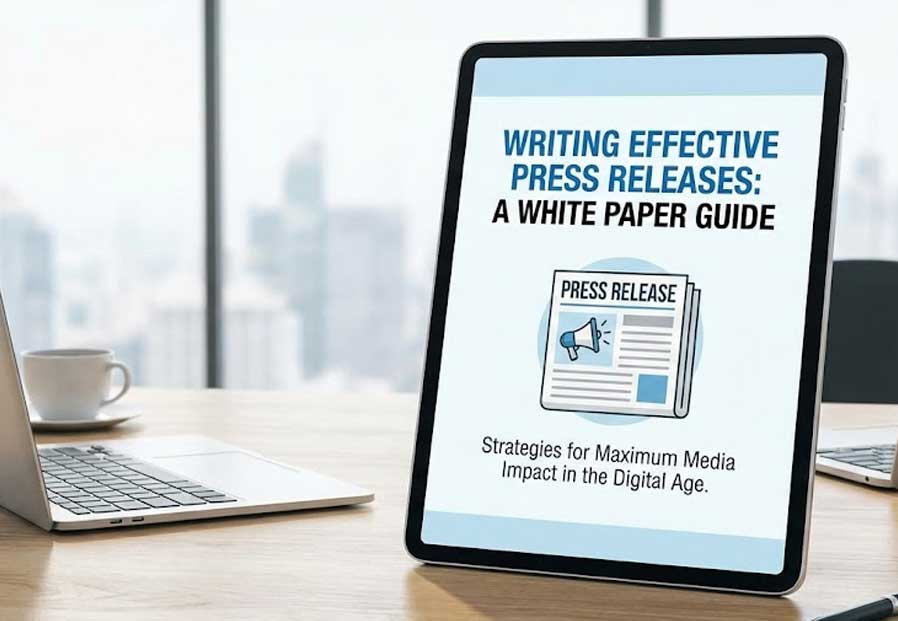
A press release is one of the most important tools in public relations. It helps organizations communicate news to journalists in a clear, structured, and credible manner. An effective press release increases the chances of media coverage, ensures message accuracy, and builds trust with the media. Writing a press release, however, requires more than just sharing information—it requires strategy, clarity, and news sense.
Before writing a press release, it is essential to understand why it is being issued. A press release should communicate news that is relevant and valuable to the media and the public.
Common reasons for issuing a press release include:
If the information is not newsworthy, it is unlikely to receive media attention.
An effective press release is written with the journalist and the audience in mind. Understanding which media outlets you are targeting helps determine the tone, language, and depth of information.
Consider:
Tailoring content improves relevance and pickup.
The headline is the first—and sometimes only—part of the press release that a journalist reads. It should be clear, concise, and news-driven.
A good headline:
A strong headline significantly improves open and read rates.
The opening paragraph should summarize the most important information. Journalists should be able to understand the core news within the first few lines.
The lead should answer:
Clarity in the lead determines whether the release will be read further.
After the lead, the press release should provide additional details in descending order of importance. This inverted pyramid structure allows journalists to edit or shorten the release easily.
Include:
Avoid unnecessary jargon or lengthy explanations.
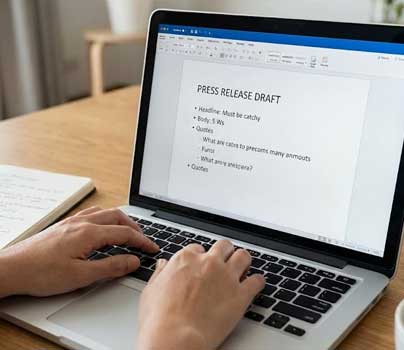

Quotes add a human voice and authority to a press release. They should offer insight, perspective, or emotion—not repeat facts already stated.
Effective quotes:
Well-written quotes increase the likelihood of direct media usage.
A press release is not an advertisement. Journalists prefer factual, balanced, and objective language.
Avoid:
A neutral tone builds credibility and trust with the media.
Most effective press releases are between 400 and 600 words. Journalists work under tight deadlines and prefer content that is easy to scan and understand.
Use:
Concise writing improves readability and usability.
Every press release should include:
These details help journalists verify information and seek clarifications quickly.
Errors in spelling, grammar, or facts can damage credibility. Always proofread the press release and verify names, titles, dates, and figures.
Accuracy is critical in maintaining long-term media relationships.
Even a well-written press release needs proper distribution. Send it to relevant journalists through email or media platforms and follow up politely. Avoid mass, untargeted distribution. Personalized outreach improves response rates.
Avoiding these mistakes increases effectiveness.
Writing effective press releases is a core skill in public relations. A well-crafted press release communicates news clearly, respects journalistic standards, and enhances the chances of positive media coverage.
By focusing on news value, clarity, structure, and credibility, organizations can use press releases as a powerful tool to shape public communication and media relationships.