
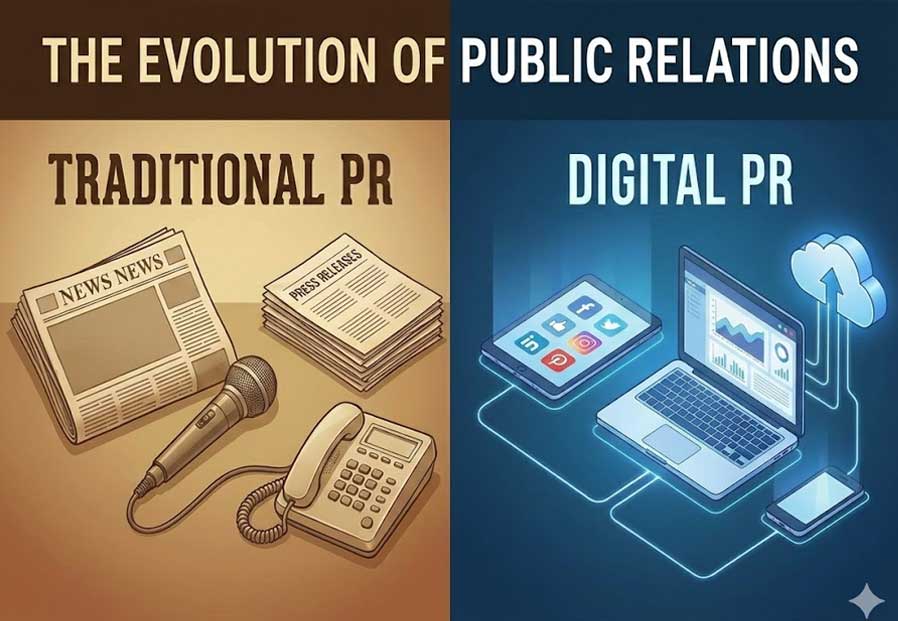


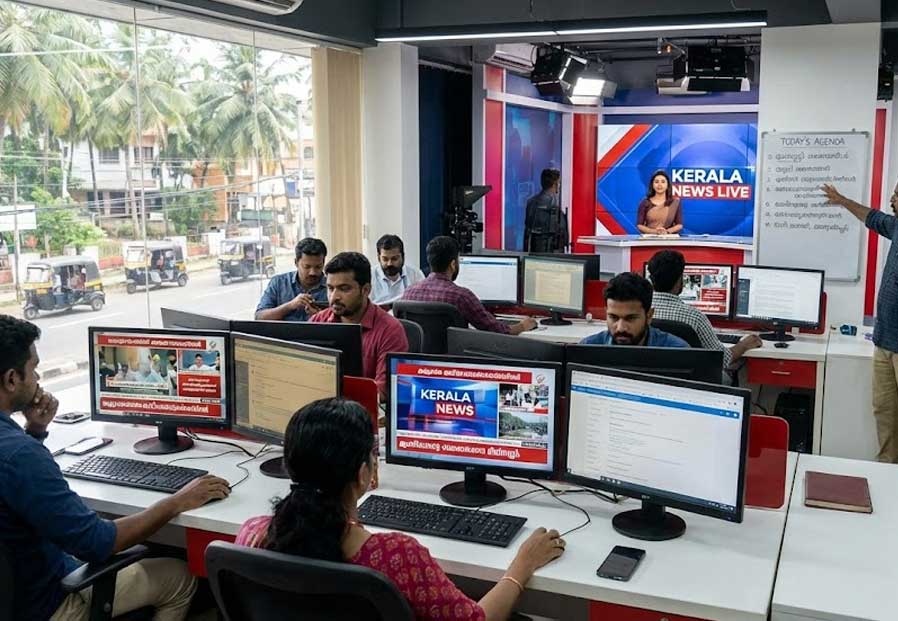
Kerala has one of the most vibrant, influential, and socially engaged media landscapes in India. With high literacy rates, politically aware audiences, and a strong tradition of journalism, media houses in Kerala play a crucial role in shaping public opinion and democratic discourse. Understanding how media houses operate in Kerala offers insight into why news from the state often has depth, debate, and strong public engagement.
Kerala’s media ecosystem is deeply rooted in the state’s high literacy rate and culture of reading. Newspapers, news channels, and digital platforms are not just sources of information but part of everyday life. Readers and viewers actively question, debate, and respond to news, making media houses highly accountable to the public.
This informed audience compels media organizations to maintain credibility, accuracy, and relevance in their reporting.
Malayalam-language media dominates Kerala’s news consumption. Most media houses operate multiple platforms—print, television, and digital—primarily in Malayalam, while also offering English editions or segments for national and global audiences.
Regional language dominance allows media houses to:
This regional focus is one of the defining characteristics of Kerala’s media operations.
Despite the global decline in newspaper readership, print media remains strong in Kerala. Leading newspapers continue to enjoy high circulation due to strong reader trust and daily reading habits.
Print media operations typically involve:
Newspapers in Kerala often prioritize in-depth reporting, investigative journalism, and detailed political coverage.
Kerala has a highly competitive television news environment with multiple 24x7 Malayalam news channels. These channels operate with fast-paced newsrooms, live reporting units, and discussion-driven programming.
TV media operations include:
Television news in Kerala is known for its strong political debates and extensive coverage of social issues.
With increasing internet penetration, digital media has become a major focus for Kerala media houses. Most traditional media organizations have robust online portals, mobile apps, and social media teams.
Digital operations involve:
Independent digital-only news platforms have also emerged, adding diversity to the media landscape.
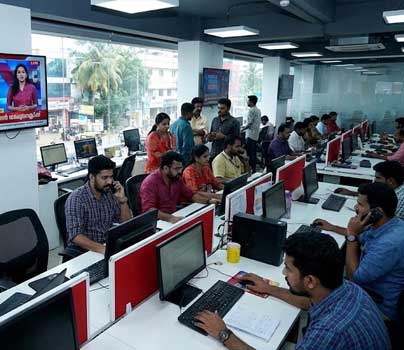
Kerala’s media houses operate in a politically charged environment. News organizations closely track political developments and government actions, often playing a watchdog role.
While media houses strive for editorial independence, political affiliations, ownership structures, and ideological leanings can influence coverage. However, strong public scrutiny and competing media voices help maintain balance and accountability.
Media houses in Kerala rely on multiple revenue streams to sustain operations.
These include:
Balancing editorial integrity with commercial interests is a key operational challenge for media organizations.
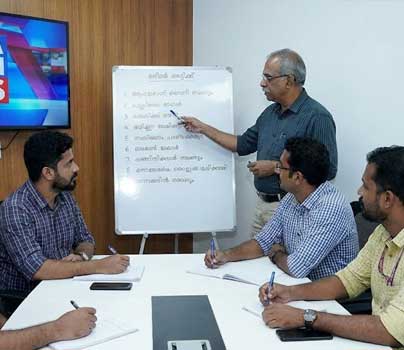
Journalists in Kerala often work in demanding conditions, covering politics, crime, social movements, and public interest stories. Newsrooms operate on tight deadlines, with editorial meetings guiding coverage priorities.
Ethical reporting, source verification, and legal compliance are integral to daily operations, especially given the high level of public and political scrutiny.
Media houses in Kerala actively engage with their audience. Reader feedback, viewer reactions, social media comments, and public discussions significantly influence content direction.
This two-way communication ensures that media remains closely aligned with public concerns and local realities.
Despite their strength, media organizations face several challenges:
Adapting to technological changes while preserving credibility is a major operational focus.
Media houses in Kerala operate within a unique ecosystem shaped by literacy, political awareness, cultural diversity, and strong public participation. Their operations span print, television, and digital platforms, all driven by a commitment to informing, questioning, and engaging society.
In a state where news is closely followed and widely discussed, media houses are not just businesses—they are influential institutions that shape public dialogue and democratic values. As Kerala’s media landscape continues to evolve, its core strength remains the informed and engaged audience it serves.